That paint job you finished last year was supposed to hold. Instead, the finish is cracking at the edges and bubbling around the bathroom door frame. For Woodbridge, CA, homeowners dealing with this, the problem rarely involves paint quality. What went wrong is how to prep walls for painting — specifically, the fact that it got rushed or skipped entirely. Understanding how to clean walls before painting is the difference between a room that stays beautiful and one that falls apart before the seasons change.
The surface underneath matters more than the paint on top. Dust films, oil residue, soap buildup, and moisture all act as invisible barriers that keep fresh coatings from gripping. An interior painter deals with this on every job — and this article gives you the same knowledge they use.
Why Fresh Paint Fails in Woodbridge Homes
The science is straightforward. Paint bonds by gripping microscopic pores in drywall. When those pores are clogged with dust, kitchen grease, or body oils, the new layer floats without anchoring. Weeks later, temperature shifts pull that unanchored layer apart. An interior painter sees this constantly — walls where old paint looks fine, but the new coat is already separating.
Woodbridge sits in the northern San Joaquin Valley, where agricultural dust, dry summer heat, and tule fog create a cycle that coats interior walls more than homeowners expect. Ceiling fans push particulates around. Cooking without a range hood adds grease. How to clean walls before painting is not a suggestion for Woodbridge homes — it determines whether your next coat will hold or peel.
How to Clean Walls Before Painting Like an Interior Painter Would
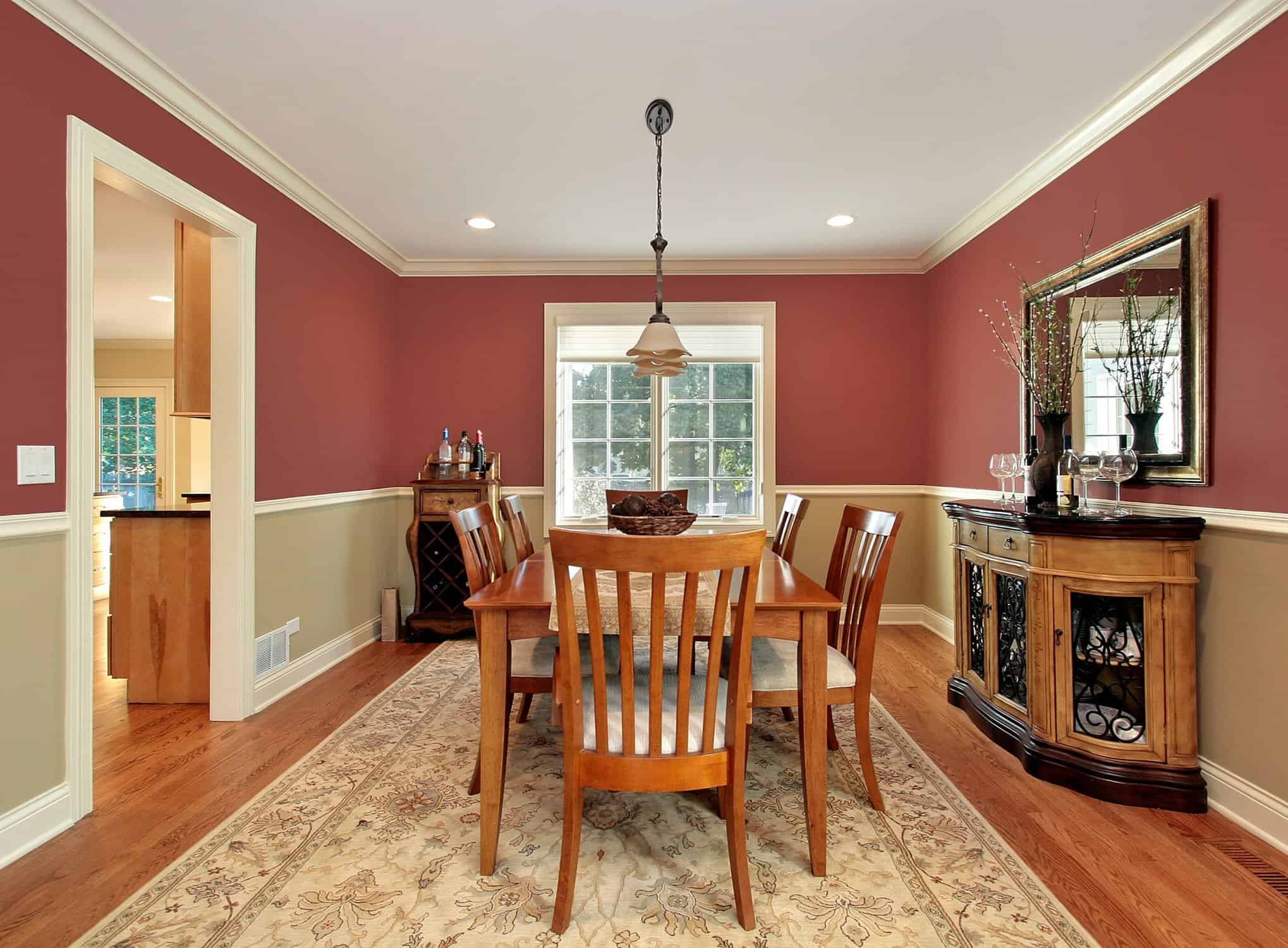
A professional house painter does not cut this short. How to prep walls for painting follows a specific order, and skipping any stage weakens the result. Here is the sequence interior house painting crews follow.
When a Professional House Painter Is the Right Call
Solo wall cleaning is manageable for a room or two. But when the project covers an entire home or problems run deeper than surface grime, a professional house painter earns their fee. Mold behind drywall, lead paint in older Woodbridge properties, water stains, and layers of deteriorating coatings require an interior painter with the right licenses and experience to handle safely.
Time matters too. Cleaning walls before painting across four or five rooms takes a full week of evenings. A professional house painter completes how to prep walls for painting for a whole house in a fraction of that — and catches problems untrained eyes miss.
The Price You Pay for Skipping How to Clean Walls Before Painting
Rushing past wall prep does not save anything. It moves the cost to a second round of paint, supplies, and labor. Homeowners who skip cleaning walls before painting often repaint the same rooms within a year, either doing it themselves again or hiring an interior painter to undo the damage.
There is also a personal cost. Flaking walls turn a space that should feel comfortable into a source of irritation. A well-executed interior house painting project does the opposite — it makes a room feel finished. That outcome starts with how to prep walls for painting, long before color selection enters the picture.
What Properly Prepped Walls Deliver
When how to clean walls before painting gets the attention it deserves, the payoff is obvious. Even color, tight edges, zero bubbling, and a surface that feels smooth to the touch. Paint sits flat and stays flat — through Woodbridge summers, foggy winters, and everything between.
Homeowners who treat wall prep as non-negotiable — or hire an interior house painting crew that does — walk into rooms that look right and stay that way for years. How to prep walls for painting is the invisible work behind every visible result. When it is done well, you do not think about it. You just enjoy the room.

Your Walls Deserve Better Than Last Time
If past paint projects in your Woodbridge home fell short, We Paint & Renovate is ready to change that. We handle how to clean walls before painting, along with every step of the interior house painting process — because a finish that fades or peels is not a finish at all.