
You set aside two weeks of vacation. The kids are at camp. You have the rollers, the trays, and a Pinterest board full of color swatches. Then July hits, the temperature climbs past 95°F, and you start to wonder: will these walls turn out right, or am I about to spend 10 days fixing peeling corners?
That hesitation is fair. Is summer a good time to paint inside? The honest answer depends on the heat, the dry air, and how the AC is set, and most blogs skip those factors entirely. Below is what actually happens to interior paint when Lodi hits triple digits, and how locals plan around it.
If you’re weighing summer interior painting in Lodi, CA, knowing what the heat does to your walls before the rollers come out can save you a redo and the cost of a second project.
Key Takeaways

Is Summer a Good Time to Paint Inside in Lodi?
Interior painting works year-round because the conditions inside your home stay climate-controlled. So, is summer a good time to paint inside? Mostly yes. But the trouble starts when indoor conditions stop being controlled, like when sun-baked walls hit 110°F by 2 p.m. or when AC vents blow directly across freshly rolled paint.
Sherwin-Williams’ own interior product FAQ flags the issue: when surface temperatures climb above 100°F, the top layer of paint can dry before it bonds to the wall, leading to peeling and pinholing weeks later. South- and west-facing rooms in Lodi homes hit that range from June through September. Skipping that detail is what turns a one-week project into a redo.
What Makes Summer Interior Painting in Lodi, CA Different
Most painting articles assume humidity is the enemy. In Lodi, the opposite is closer to the truth. July is the driest month of the year here, with average relative humidity of 44%. Sherwin-Williams recommends paint humidity levels between 40% and 70% for proper film formation. Lodi sits right at the floor.
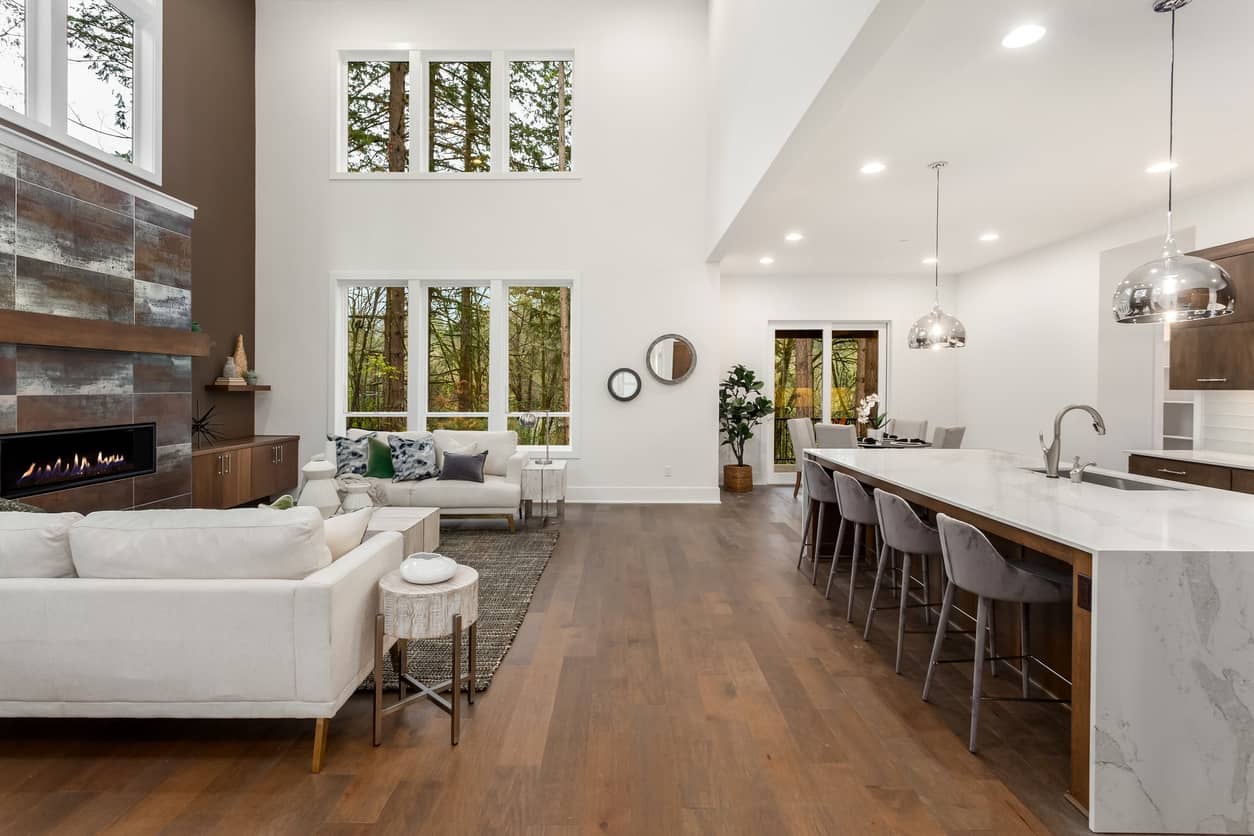
When paint humidity levels drop too low, the water in latex paint flashes off too fast. The brush cannot keep a wet edge before the previous stroke dries. You see lap marks, roller streaks, and uneven sheen, especially across the long stretches of hallways and great rooms. So summer interior painting in Lodi, CA needs different prep than the same job in March or October.
How Lodi’s Dry Heat Changes Interior Paint Drying Time
What does Lodi heat mean for interior paint drying time? The number on the can assumes moderate conditions. In a 95°F home with the AC blowing, the typical 1-hour recoat window for interior paint drying time can shrink to 20 minutes. Miss that window, and the second coat pulls the first one off the wall.
Planning around the drying time of interior paint is half the answer to the question, “Is summer a good time to paint inside?” The other half is interior paint curing, which is not the same as drying. Drying means the surface feels dry to your finger. Interior paint curing means the film has fully hardened and bonded throughout. Most paint manufacturers report that interior paint can take up to 30 days to cure, even under good conditions. So the wall you painted in late June is still settling when school starts.
Paint Humidity Levels, AC, and the Curing Trap
Air conditioning does two things to paint: it cools the room (good), and it dehumidifies it further (often bad). When indoor paint humidity levels drop into the 30s, the surface skin forms early, but the layers underneath stay soft. The result is a paint film that feels dry to the touch, then dents when a vacuum bumps it two days later. Curing happens from the bottom up, not the top down.
A few practical fixes work well for summer interior painting in Lodi, CA, and most experienced crews use them automatically:
Local interior painters who work in Stockton year-round track these numbers on every job. Experienced interior painters do not guess.
VOCs, Ventilation, and the Window Problem
Summer interior painting in Lodi, CA carries one more wrinkle: ventilation. The EPA reports that during and immediately after painting, indoor VOC levels can spike up to 1,000 times higher than typical outdoor concentrations. The agency’s indoor air quality guidance is direct: open windows, run fans, and add fresh-air exchange while the paint is drying.

But in Lodi, that creates a real conflict. Open windows in July let in 95°F air, raising wall surface temperatures and shortening interior paint drying time. Closed windows trap fumes. Most homeowners pick one and pay for the other.
The fix is staging. Paint one room at a time. Ventilate that single room overnight with a window fan. Keep the rest of the house sealed and cool. Because interior paint curing continues for up to 30 days after application, even rooms that smell fine can off-gas at low levels well after move-in. Low-VOC and zero-VOC paint cuts that exposure sharply.
Is Summer a Good Time to Paint Inside on Your Own?
DIY makes sense for a single accent wall in October. In July, with the wrong primer, the wrong roller nap, and a sun-blasted south wall? The math changes.
Professional interior painters complete a typical room 2 to 3 times faster than a homeowner working weekends. They monitor surface temperatures with infrared thermometers, adjust schedules during the hottest hours, and use sprayers calibrated for low paint humidity. The right interior painters also know which products handle Central Valley dry heat without dragging on the brush.
So is summer a good time to paint inside without that planning? That is where most projects go sideways.