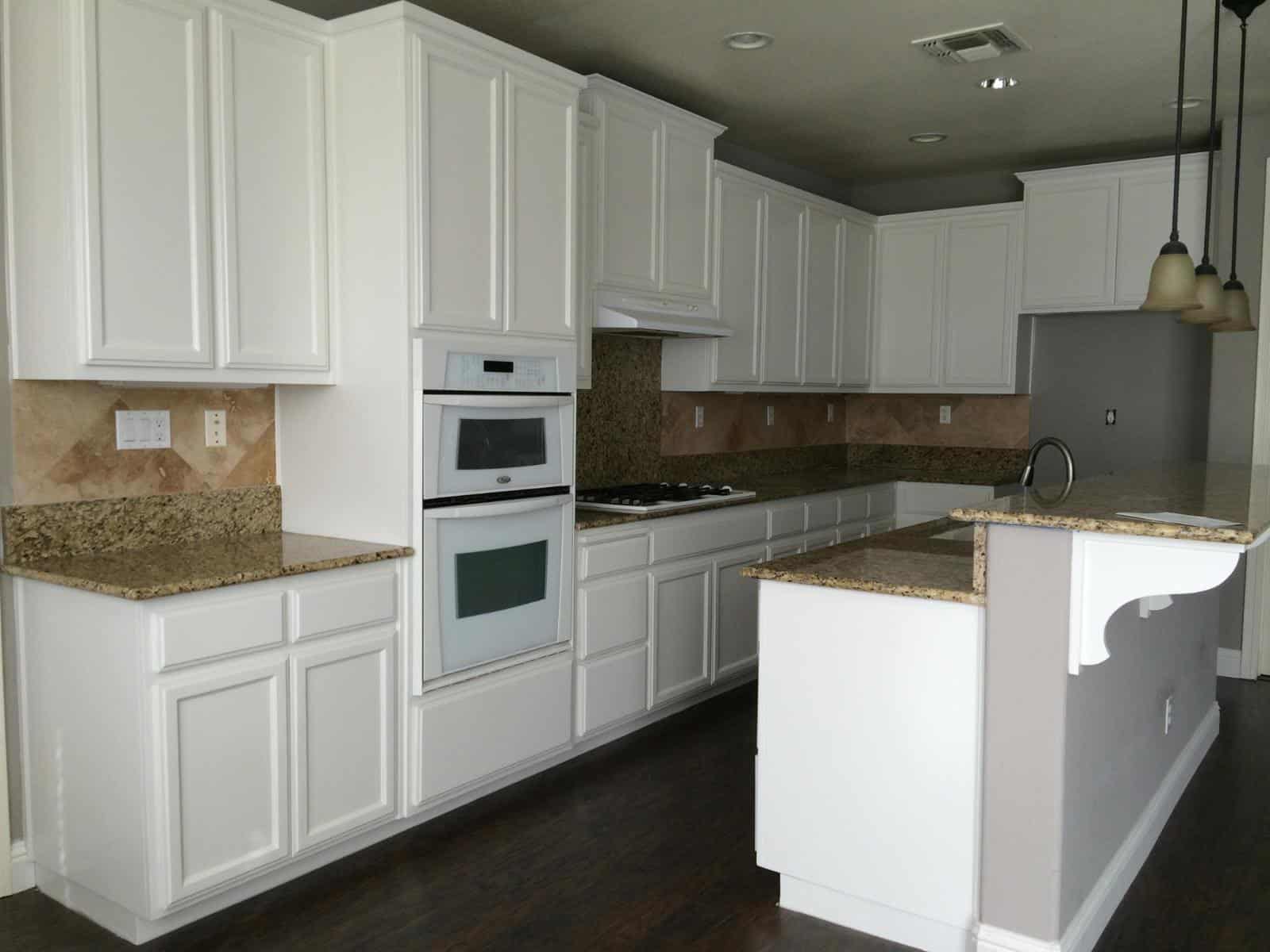

If you have put time into a kitchen refresh only to pull open a cabinet door and feel that sticky pull, you are not alone. Many homeowners want to know why are my painted cabinets sticky after days, or even weeks, of waiting. Learning how to fix sticky cabinet paint is not complicated, but it does require knowing what caused the problem before choosing a fix. This article walks you through both.
Key Takeaways

Why Are My Painted Cabinets Sticky When They Look Dry?
This is the part that trips most homeowners up. They touch the surface, feel no wetness, and assume the job is done. But a dry surface and a cured surface are not the same thing.
When paint dries, the outer layer hardens enough to touch. The layers underneath, though, are still releasing solvents and bonding at a chemical level. That process, called curing, takes weeks, not hours. For most water-based cabinet paints, full cure runs 21 to 30 days. Some alkyd products take longer.
Close cabinet doors before that window closes, and the paint faces pressure it is not ready for. The soft film bonds to itself and becomes the sticky, pulling surface you are dealing with now. This is the most direct answer to why are my painted cabinets sticky even on jobs where the surface looked fine at first.
In Galt, CA, the climate adds another variable. Warm, dry summers and humid late spring conditions both affect how water-based paint cures. A kitchen without a running fan during or after painting holds moisture longer, and that extra time in a humid space slows the cure by a wide margin.
Four Things That Make Cabinet Paint Stay Tacky
There are four consistent causes behind why are my painted cabinets sticky. Most cases come down to one or two of them.
How to Fix Sticky Cabinet Paint Based on the Cause
Knowing how to fix sticky cabinet paint means matching the repair to the actual problem. The right fix for a curing delay looks completely different from the right fix for a product failure.
When the paint needs more time, the approach is straightforward. Take the doors off the hinges and store them flat in a ventilated space. Run a fan in the kitchen. If the home runs humid, bring in a dehumidifier. Come back at the 30-day mark and reassess. Many homeowners solve the problem entirely by giving the finish the air circulation it never had during installation. Learning how to fix sticky cabinet paint in this scenario costs nothing except patience.

When the product or prep failed, more work is required. A finish that has not bonded properly will not harden over time. In that situation, the existing paint needs to come off completely. Scraping, sanding to bare substrate, repriming, and recoating with the right product is the only fix that actually holds.
A cabinet painter in Galt, CA, can look at the finish in person and tell you which situation you are dealing with. Some cases allow for scuff sanding and a proper topcoat over the existing paint. Others do not. Getting that assessment before spending money on materials is a worthwhile first step.
One action worth taking right now, regardless of cause: stop closing the doors. Each contact between two soft surfaces leaves more damage. Keep them open until the finish has had time to stabilize.
How to fix sticky cabinet paint that keeps coming back. That connection is what separates a repair that lasts from one that fails again in a few months.
What Happens When You Wait Too Long
A sticky finish is not permanent on its own. But it becomes permanent damage when homeowners keep closing doors, hoping the problem will go away.
Repeated contact between soft surfaces transfers paint, chips edges, and wears the finish unevenly. What starts as a texture problem becomes a cosmetic failure across the full run of cabinets. At that point, a spot repair is no longer an option.
Cabinet painting in Galt, CA, is a real investment in a home. A properly applied and cured finish holds up to regular use for seven to ten years. When cabinet painting in Galt, CA, is done with the right prep and products, that return is realistic. Getting there depends on the prep, the product, and the application process, all working together. Cabinet painting in Galt, CA, that cuts a corner on any of those three factors tends to fail before its time.
Catching the problem early and acting on it keeps repair costs low. Waiting until the finish has fully failed does not. That is why homeowners who ask why their painted cabinets are sticky and take action quickly tend to spend far less on repairs.
What a Reliable Cabinet Painter Does From the Start
If you are thinking about hiring a professional to look at or redo your cabinets, knowing what separates a reliable painter from a fast one matters.
A trustworthy cabinet painter in Galt, CA, works through a consistent process before touching the final coat:
A cabinet painter in Galt, CA, who explains the cure time before the job is done, understands the product. That conversation protects the finished work just as much as the application itself does.