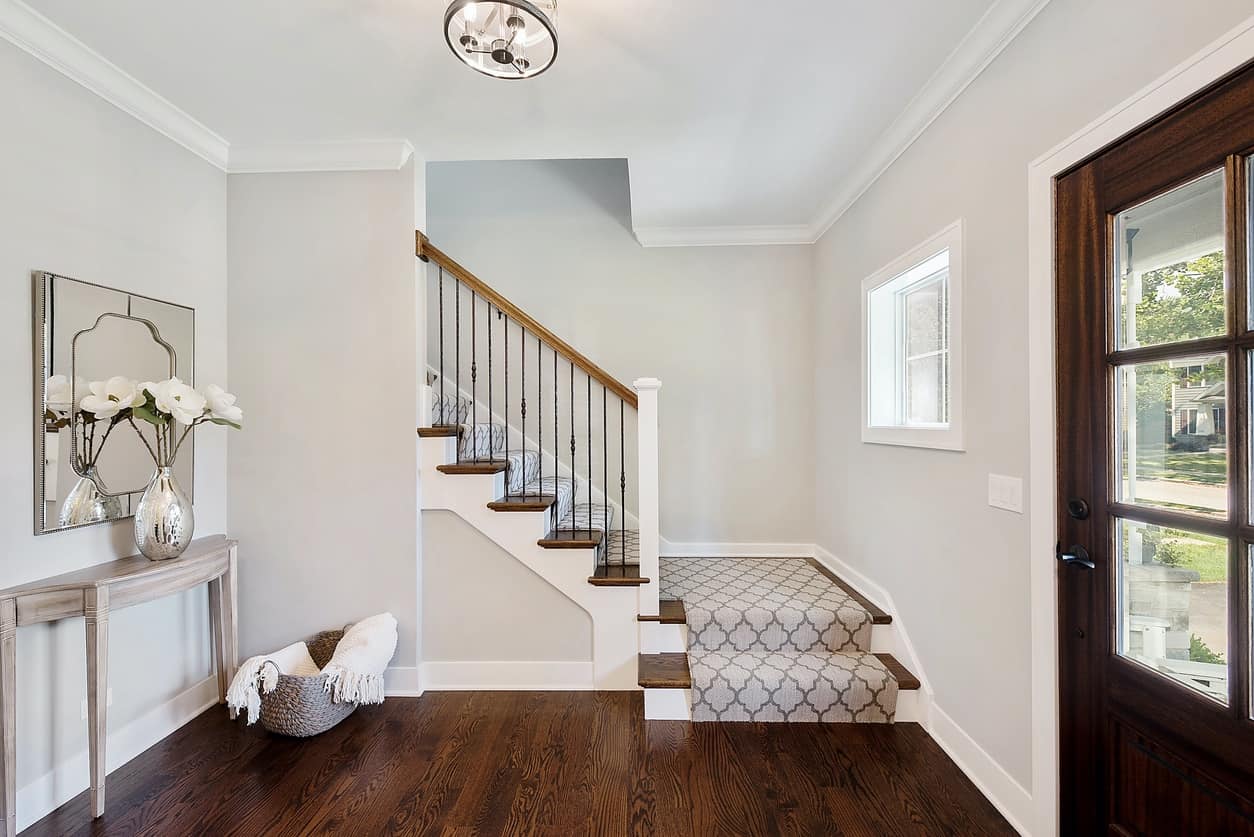

If you have looked at your walls lately and asked how often should you paint the inside of your house, you are already thinking like a careful homeowner. The next fair question is how long does interior paint last once it is on the wall, living through real life in your home. I have spent years doing interior house painting for families around Escalon, and here is the honest version: your paint is not on a fixed timer. What you do to the walls, and what a painter did before the first coat, matters far more than the date on the calendar. Some rooms look sharp for a decade. Others go dull and scuffed in two years.
Key Takeaways

How Long Does Interior Paint Last in a Real Home?
There is no single magic number, but there is a solid range. In most homes, interior paint looks good for three to seven years before it wants a refresh. Adult bedrooms and ceilings often stretch to seven or ten years, mostly because nobody touches those walls much. A busy hallway or a child’s room can look rough in two to three years.
Your paint is doing a job the entire time. It takes hand oils, furniture bumps, cooking steam, sunlight, and cleaning. The harder a room works, the sooner its paint wears out. So the real question is not only how long does interior paint last, but how long it lasts in this room, in this house, with your family living in it.
How Often Should You Paint the Inside of Your House, Room by Room
Different rooms live different lives, so they age on different clocks. When people ask how often should you paint the inside of your house, this room by room view is the most useful answer. Here is where most interior paint starts asking for a fresh coat:
| Room or surface | Typical repaint window |
|---|---|
| Hallways and entryways | 2 to 3 years |
| Kids’ bedrooms and playrooms | 2 to 3 years |
| Kitchens | 3 to 4 years |
| Bathrooms | 3 to 4 years |
| Trim, baseboards, and doors | 3 to 5 years |
| Living and dining rooms | 5 to 7 years |
| Adult bedrooms | 7 to 10 years |
| Ceilings | 7 to 10 years |
These are general windows, not promises. Your paint could last longer with good care, or fade faster in a sunny room with a south facing window. Use the ranges as a starting point, then let the actual condition of the walls make the final call.
Why Interior Paint Ages Faster Than the Label Says
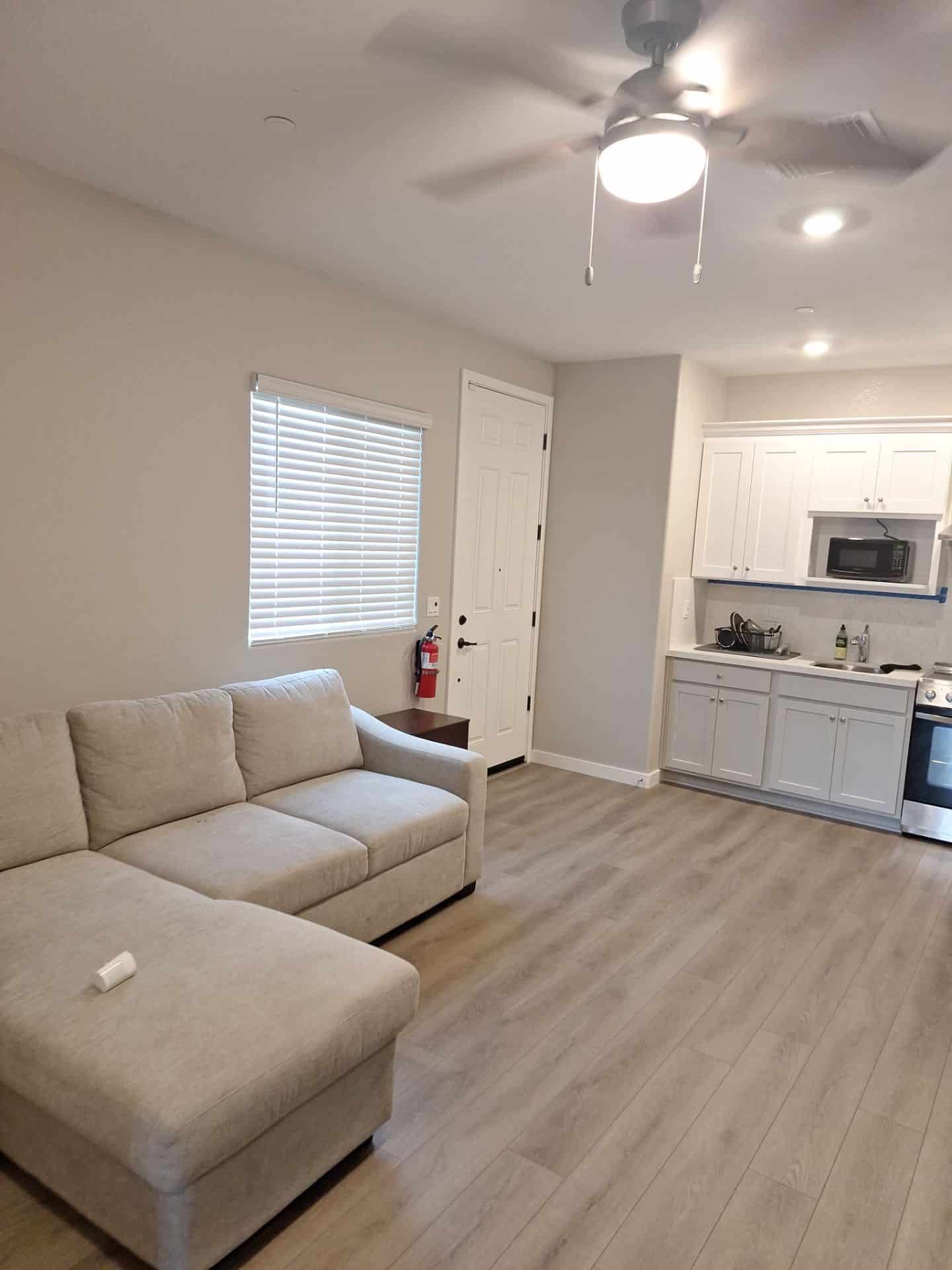
Paint makers print big numbers on the can. Real homes are a lot messier than a test lab. A few things quietly age your walls faster than you expect:
Prep is the part nobody sees and the part that quietly decides everything. A rushed job can look great for a month and start failing by the next season.
Signs It Is Time to Repaint
You do not need a calendar to know when paint is finished. The walls will tell you first. Watch for these signs:
One or two of these means a room is ready for attention. Several of them means the paint has been overdue for a while.
What Makes Interior Paint Last Longer
Here is the part that helps most: a good share of what decides paint life is in your hands, or in the hands of the painter you hire. A few simple choices make the biggest difference.
When We Paint & Renovate takes on a professional interior painting project, we start with prep, not paint. We patch, sand, prime, and match the product and finish to how each room really gets used. That is why a well done repaint can hold up for many years instead of a couple of seasons.
DIY Touch-Up or a Professional Repaint?
Not every wall needs a full crew. Here is the honest breakdown, including the times you can skip us:
| Question | Quick DIY touch-up | Professional repaint |
|---|---|---|
| Best for | small scuffs, a nail hole, a single wall | whole rooms, color changes, peeling or failing paint |
| Prep involved | light, and often skipped | cleaning, patching, sanding, priming |
| How long it holds | months to a year or two | often 7 to 10 years with quality paint |
| Common risk | mismatched sheen and visible patches | very little when prep is done right |
A dab of leftover paint on a scuff is fine, and I will never push you toward hiring out something that small. But when a whole room is fading, peeling, or fighting moisture, a proper repaint saves you money over the long run. Redoing a cheap job twice costs more than doing it once the right way.